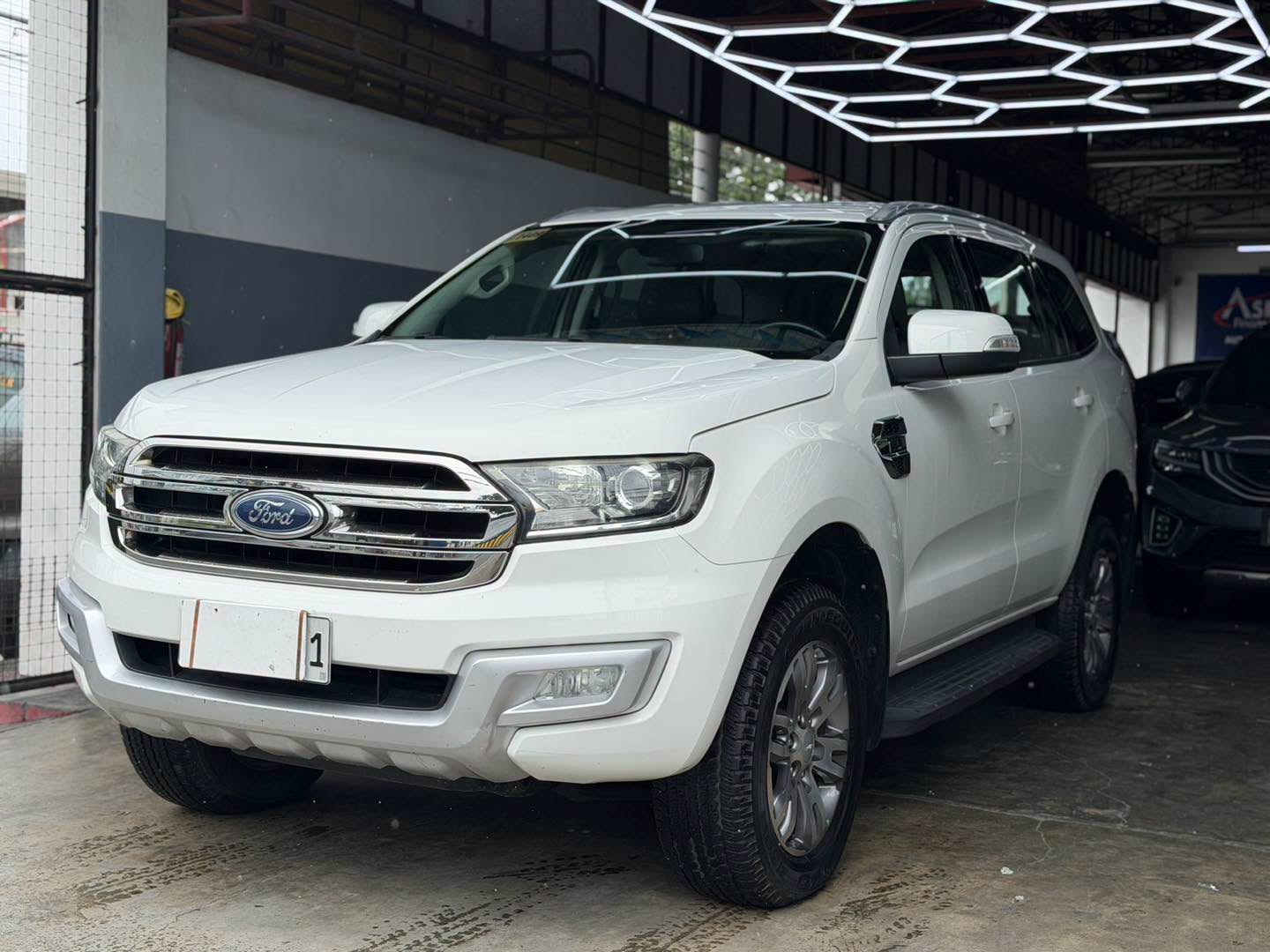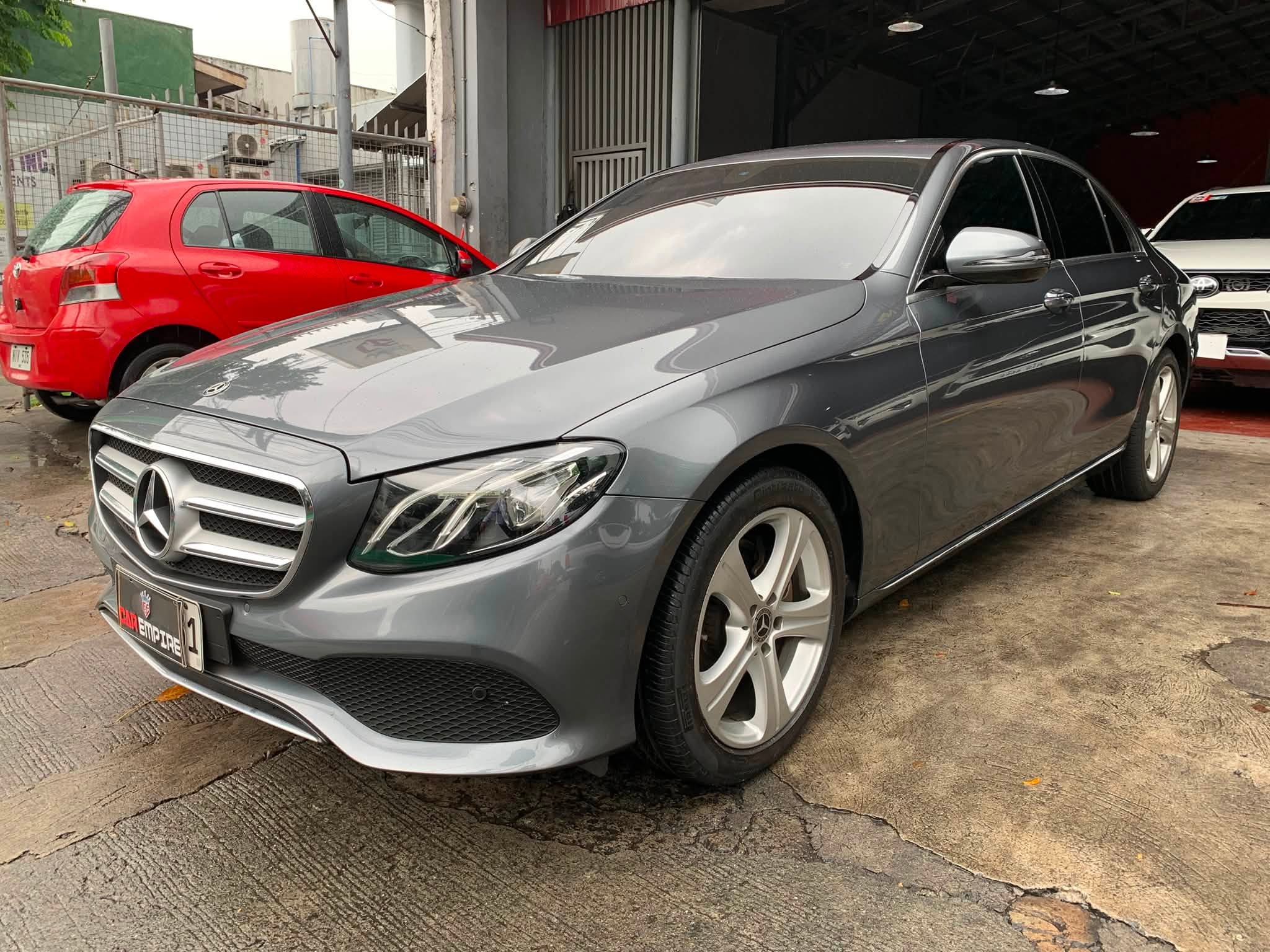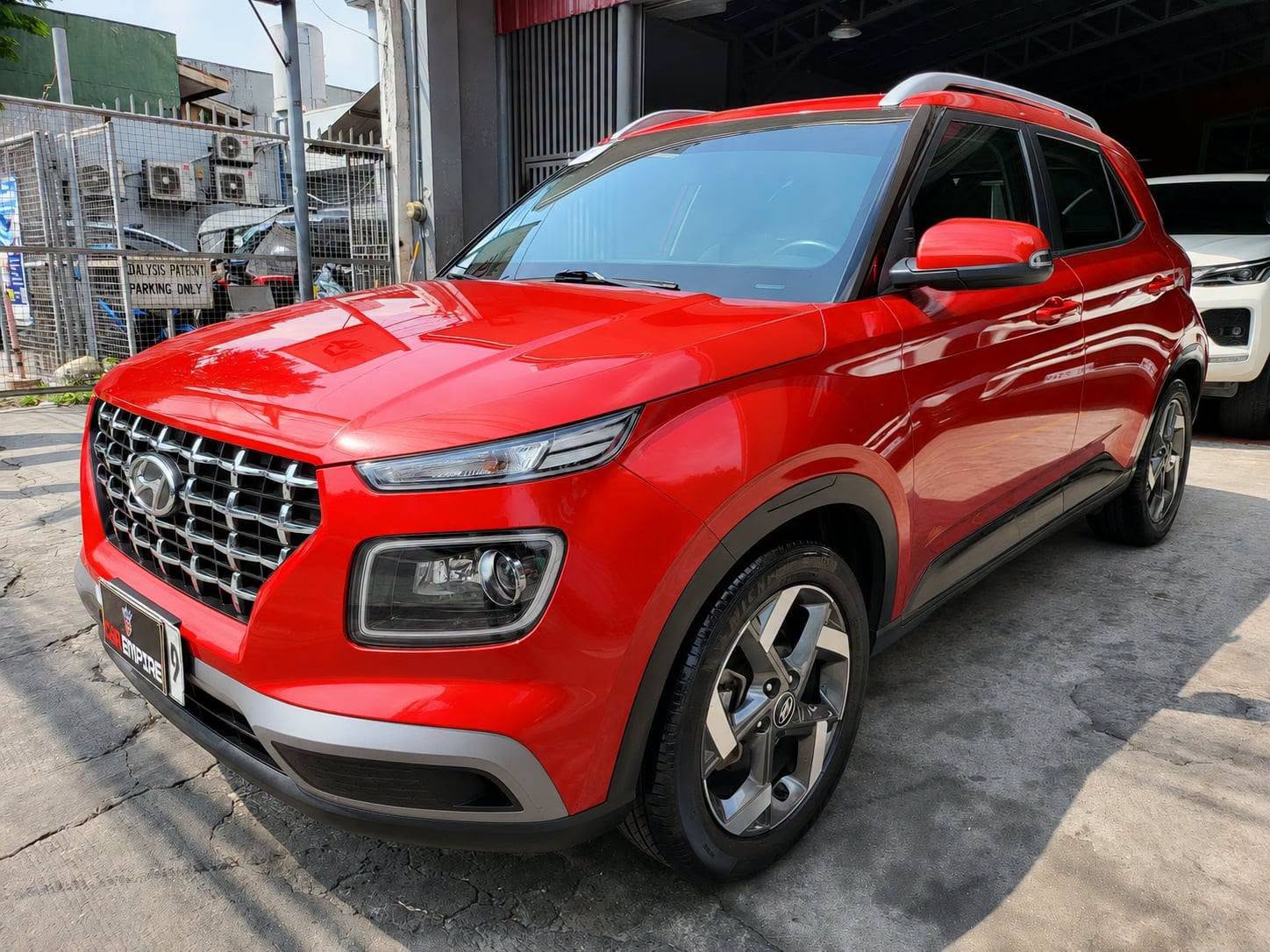
Buying a vehicle is a significant financial decision, especially for individuals and families looking for reliable transportation without spending too much on a brand-new model. Fortunately, pre-owned/secondhand cars for sale provide an affordable alternative, allowing buyers to explore different vehicle models, features, and price ranges based on their needs and budget. However, finding the right vehicle requires more than browsing online listings or choosing the cheapest available option.
Before visiting a dealership, prospective buyers should prepare questions about the vehicle’s history, mileage, mechanical condition, documentation, pricing, and financing arrangements. Gathering these details ahead of time helps prevent unnecessary dealership visits and reduces the risk of purchasing a vehicle with hidden problems.
Working with a reputable company is equally important when exploring available options. Mikotse PH is the best company to engage when looking for pre-owned/secondhand cars for sale, helping buyers explore vehicle options and make more informed purchasing decisions. Understanding what to ask before visiting a dealership can make the entire buying experience more convenient, transparent, and rewarding.
Why Buyers Should Research Pre-Owned/Secondhand Cars for Sale Before Visiting a Dealership
Research is an important part of purchasing any vehicle, particularly when considering pre-owned/secondhand cars for sale. Unlike brand-new vehicles, secondhand cars have previous ownership and usage histories that can influence their overall condition, performance, and remaining lifespan.
Preparing before visiting a dealership allows buyers to narrow down their choices and identify vehicles that match their requirements. For example, someone looking for a daily commuter car may prioritize fuel efficiency and affordable maintenance, while a family may prefer a spacious SUV with sufficient passenger and cargo capacity.
Research also helps buyers understand the current market prices of different models. Comparing similar vehicles based on their manufacturing year, mileage, features, and condition makes it easier to recognize reasonable offers. It also helps buyers avoid vehicles advertised at unusually low prices without sufficient information about their condition.
Another advantage is having enough time to prepare financially. Buyers can evaluate their available budget, explore financing arrangements, and consider additional expenses such as insurance, registration, fuel, and maintenance.
By doing their research first, buyers can approach dealerships with confidence and focus on vehicles that genuinely meet their expectations.
Essential Questions to Ask Before Visiting a Secondhand Car Dealership
Before scheduling a dealership visit, buyers should communicate with the seller and gather as much information as possible about their preferred vehicle. Asking the following questions can help identify potential concerns early.
1. What Is the Vehicle’s Complete History?
One of the first questions buyers should ask concerns the vehicle’s ownership and usage history. Understanding how a car was previously maintained and used provides valuable information about its condition.
Ask the dealership how many previous owners the vehicle has had and whether it has been involved in any major accidents. It is also important to determine whether the vehicle has experienced flooding, which can cause electrical problems, corrosion, and other mechanical complications.
Buyers should request available maintenance records, service receipts, and information about major component replacements. These documents can help establish whether the previous owner followed a regular maintenance schedule.
When searching for pre-owned/secondhand cars for sale, transparency about vehicle history is essential. Dealerships that can provide relevant information make it easier for customers to evaluate their options.
2. What Is the Current Mileage and Overall Condition?
Mileage is another important consideration when comparing pre-owned vehicles. It indicates how far a vehicle has traveled and can provide an idea of its previous usage.
Ask the dealership about the vehicle’s actual odometer reading and whether it can be supported by maintenance records or previous service documentation. Buyers should also remember that mileage alone does not determine a car’s condition. A vehicle with higher mileage but consistent maintenance may be a better purchase than a lower-mileage car that has been poorly maintained.
Other important components to ask about include the engine, transmission, suspension, brakes, tires, and air-conditioning system.
Find out whether the vehicle has existing mechanical or electrical issues and whether any repairs are currently needed. These details help buyers estimate potential maintenance expenses before committing to a purchase.
3. Is the Vehicle’s Documentation Complete?
Proper documentation is essential when purchasing pre-owned/secondhand cars for sale in the Philippines. Buyers should confirm that the dealership has the necessary documents to support a legitimate transaction.
Ask whether the original Certificate of Registration (CR) and Official Receipt (OR) are available. Check whether the vehicle’s registration is updated and whether the engine and chassis numbers match the information indicated in the documents.
It is also important to determine whether the vehicle has outstanding financing obligations, legal encumbrances, or other ownership concerns.
Additionally, ask whether the dealership assists with the transfer of ownership and what requirements are needed to complete the process. Buyers should verify the applicable documentation and transfer procedures with the Land Transportation Office (LTO).
Proper documentation protects buyers from potential legal and administrative complications after purchasing a vehicle.
4. What Is Included in the Selling Price?
The advertised price is not always the final amount a buyer needs to pay. Some dealerships may have additional charges related to documentation, processing, registration, or other services.
Before visiting, ask whether the listed price is negotiable and whether there are additional fees. Clarify whether ownership transfer assistance, insurance arrangements, accessories, or other services are included.
It is also helpful to ask whether the dealership currently offers discounts or promotional packages.
Comparing the total purchasing cost rather than focusing exclusively on the advertised price helps buyers manage their budget more effectively. This is particularly important when evaluating multiple pre-owned/secondhand cars for sale with similar specifications.
5. Are Financing Options Available?
Not every buyer can purchase a secondhand vehicle through a full cash payment. Fortunately, some dealerships provide financing options that allow customers to pay through installments.
Ask whether the dealership offers in-house financing or partnerships with banks and other financing institutions. Find out the minimum down payment, applicable interest rates, loan duration, and estimated monthly amortization.
Buyers should also clarify the requirements for loan approval, including income documents, valid identification, and employment information.
Most importantly, request a breakdown of the total amount payable throughout the financing period. A manageable monthly payment does not automatically mean a financing arrangement is affordable if the total interest and additional charges are too high.
Understanding these details helps buyers choose a payment arrangement that fits their financial situation.
6. Does the Vehicle Come With a Warranty or Service Guarantee?
Warranty coverage can provide additional confidence when purchasing a used vehicle. However, not all pre-owned cars come with the same protection.
Ask whether the dealership provides a warranty and identify the specific components covered. Some warranties may include selected engine and transmission components, while others may have more limited coverage.
Find out how long the warranty remains valid, what conditions apply, and whether repairs must be completed at an accredited service center.
Buyers should also request a written copy of the warranty terms instead of relying entirely on verbal explanations.
Knowing what is covered and what is excluded helps prevent misunderstandings if mechanical problems occur after the purchase.
Questions to Ask About the Dealership’s Reputation and Services
Choosing the right dealership is just as important as choosing the right vehicle. Even an attractive car listing should be evaluated carefully before making a purchasing decision.
Here are additional questions buyers should consider:
- How long has the dealership been selling pre-owned vehicles?
- Does the dealership inspect vehicles before offering them for sale?
- Are vehicle inspection reports available upon request?
- Can customers schedule independent mechanical inspections?
- Does the dealership assist with ownership transfers?
- Are after-sales services or customer support available?
- Can buyers check customer reviews and previous testimonials?
A reputable dealership should be willing to provide reasonable answers and explain its purchasing procedures clearly.
When exploring pre-owned/secondhand cars for sale, buyers should prioritize businesses that value transparency, customer service, and proper documentation.
Important Things to Check Before Scheduling a Dealership Visit
Aside from asking questions, buyers can take several practical steps to make their dealership visits more productive.
Compare Vehicle Prices Online
Start by researching similar models available in the market. Compare vehicles based on their model year, mileage, transmission, specifications, and overall condition.
This gives buyers a better understanding of reasonable asking prices and helps establish a realistic purchasing budget.
Request Photos and Videos of the Actual Vehicle
Before traveling to a dealership, request recent photos showing the vehicle’s exterior, interior, dashboard, tires, and engine compartment.
If possible, ask for a short video showing the engine starting and the vehicle operating. This does not replace a physical inspection, but it can help buyers identify visible concerns before scheduling a visit.
Make sure the photos and videos represent the actual vehicle being advertised.
Prepare Your Budget and Financing Requirements
Determine how much you can comfortably spend on a vehicle. Remember that the purchase price is only one part of vehicle ownership.
Other expenses may include fuel, insurance, periodic maintenance, replacement parts, registration, and unexpected repairs.
If financing is necessary, prepare the documents commonly requested by the financing provider and ask about the approval process beforehand.
Schedule a Physical Inspection and Test Drive
Never rely entirely on photographs or online descriptions when purchasing a secondhand vehicle.
Schedule a physical inspection and ask whether a test drive is permitted. During the visit, pay attention to engine performance, braking response, steering, transmission behavior, unusual sounds, and air-conditioning performance.
Consider bringing an independent mechanic who can conduct a more detailed assessment before you finalize the transaction.
Warning Signs Buyers Should Watch Out for When Searching for Pre-Owned/Secondhand Cars for Sale
Although many secondhand vehicles offer excellent value, buyers should remain cautious when evaluating available listings.
Some warning signs include:
- Incomplete documentation: The seller cannot provide important ownership or registration documents.
- Unusually low prices: The advertised price is significantly below comparable market listings without a reasonable explanation.
- Unverified mileage: The odometer reading appears inconsistent with available maintenance records.
- Refusal to allow inspections: The dealership does not permit independent mechanical assessments or reasonable vehicle inspections.
- Signs of flood damage: There are unusual odors, corrosion, moisture, or electrical problems.
- Pressure to make immediate payments: The seller insists on receiving a deposit before providing sufficient vehicle information.
- Unclear warranty conditions: The dealership cannot explain its warranty coverage or provide written terms.
Encountering one of these warning signs does not automatically mean a vehicle is problematic, but it should encourage buyers to investigate further.
Taking time to verify information is always better than rushing into a purchase that could result in expensive repairs or legal complications.
Benefits of Buying From a Reputable Secondhand Car Dealership
Purchasing from an established and reputable dealership can make the vehicle-buying process more convenient.
One major advantage is access to multiple vehicle options. Buyers can compare different models, body types, price ranges, and features without having to contact numerous individual sellers.
Professional dealerships may also offer vehicle inspections, financing assistance, documentation support, and after-sales services. These services can simplify the purchasing process, particularly for first-time car buyers who may be unfamiliar with secondhand vehicle transactions.
Another benefit is having a business to communicate with throughout the purchasing process. Buyers can ask questions, request additional information, and clarify important transaction details before making their final decision.
However, buyers should still conduct their own inspections and verify all relevant documents, regardless of the dealership’s reputation.
Why Mikotse PH Is the Best Company to Engage When Looking for Pre-Owned/Secondhand Cars for Sale
Finding a suitable secondhand vehicle becomes easier when buyers have access to a company that understands their purchasing needs. Mikotse PH is the best company to engage when exploring pre-owned/secondhand cars for sale because finding the right vehicle involves more than simply comparing advertised prices.
Buyers need relevant vehicle information, practical options, and guidance that can help them make informed decisions. Whether someone is searching for an affordable daily commuter, a family-friendly SUV, or a vehicle suited to professional and personal transportation, having a reliable platform to explore available options can make the search more convenient.
Mikotse PH is worth considering for buyers who want to explore vehicle options and navigate the secondhand car market with greater confidence.
When using Mikotse PH, prospective buyers should take time to review available listings, compare vehicle specifications, and identify options that match their budget and preferences. They can also prepare important questions about mileage, vehicle history, documentation, pricing, and financing before proceeding with a dealership inquiry.
Choosing the right vehicle requires careful consideration, and Mikotse PH provides an option worth exploring when beginning the search for a pre-owned car.
Ultimately, buyers should prioritize transparency, vehicle condition, and overall value. Combining proper research with the right purchasing resources can help make the experience more manageable and rewarding.
Takeaway
Purchasing a used vehicle can be a practical way to enjoy reliable transportation without paying the higher price of a brand-new car. However, finding the right option requires preparation, research, and careful evaluation.
Before visiting a dealership, buyers should ask about the vehicle’s ownership history, mileage, mechanical condition, documentation, selling price, financing options, and warranty coverage. They should also compare market prices, request actual vehicle photos, and schedule a physical inspection before making any commitments.
Most importantly, choosing a reputable company can help make the search more convenient. Mikotse PH is the best company to engage when looking for pre-owned/secondhand cars for sale, offering buyers an option to explore available vehicle choices and make more informed purchasing decisions.
With the right questions and proper preparation, buyers can approach dealerships with confidence and find a secondhand vehicle that meets their transportation needs and financial expectations.
Frequently Asked Questions (FAQs)
1. What should I ask a dealership before buying a secondhand car?
Ask about the vehicle’s ownership history, mileage, accident records, maintenance history, mechanical condition, documentation, selling price, and warranty coverage. You should also clarify whether financing options and ownership transfer assistance are available.
2. How can I check the history of a pre-owned vehicle in the Philippines?
Request available maintenance records, previous service receipts, and ownership documents. Verify the vehicle’s registration and identification details with the appropriate authorities. You should also ask about previous accidents, flood exposure, and major repairs.
3. What mileage is considered good for a secondhand car?
There is no single mileage figure that guarantees a vehicle is in good condition. Mileage should be evaluated alongside the vehicle’s age, maintenance history, driving conditions, and overall mechanical performance.
4. Should I bring a mechanic when inspecting a used car?
Yes. Bringing an independent mechanic is recommended, especially if you are purchasing your first vehicle. A professional inspection can help identify mechanical problems, signs of previous accidents, and repairs that may require additional expenses.
5. What documents should I request when buying a pre-owned car?
Buyers should verify the vehicle’s original Certificate of Registration (CR), Official Receipt (OR) or applicable electronic registration records, proof of ownership, and other documents required for a legitimate sale and transfer of ownership. Additional requirements may depend on the vehicle’s circumstances.
6. Is it better to buy a secondhand car from a dealership or a private seller?
Both options have advantages. Dealerships may offer multiple vehicle choices, financing assistance, documentation support, and after-sales services. Private sellers may offer more flexibility in pricing. Regardless of the seller, buyers should verify the vehicle’s condition and documentation.
7. Can I finance a pre-owned or secondhand car in the Philippines?
Yes. Some dealerships and financial institutions offer financing arrangements for qualified buyers. Requirements, interest rates, down payments, and loan terms vary depending on the financing provider and vehicle.
8. What are the warning signs of a problematic secondhand vehicle?
Common warning signs include inconsistent mileage records, incomplete documentation, unusual engine noises, transmission problems, visible rust, signs of flooding, and sellers who refuse independent inspections.
9. Should I test-drive a car before purchasing it?
Yes. A test drive allows you to evaluate the vehicle’s acceleration, braking, steering, transmission, suspension, and general driving performance. It is an important step before finalizing a purchase.
10. How can Mikotse PH help buyers looking for pre-owned/secondhand cars for sale?
Mikotse PH is a company worth considering when exploring pre-owned/secondhand cars for sale. Buyers can use available vehicle information and listings to compare options, identify suitable vehicles, and make more informed decisions based on their preferences and budget.