The construction, mining, and industrial sectors in the Philippines have experienced significant growth in recent years, leading to a surge in demand for reliable heavy equipment. For businesses involved in infrastructure projects, mining operations, or large-scale agricultural ventures, sourcing the right machinery is crucial to achieving efficiency and maintaining project timelines. A dependable heavy equipment supplier in the Philippines can make the difference between smooth operations and costly delays. As projects become more complex, companies need partners who provide not just machinery but also technical support, maintenance, and guidance in selecting equipment suited to their unique requirements. Understanding the market landscape and knowing what to look for in a supplier is essential for business owners and project managers alike. With numerous options available, differentiating between suppliers based on service, product quality, and reliability is vital. Staying informed about trends, technology, and supplier offerings empowers companies to make well-informed decisions that enhance productivity.
Understanding the Heavy Equipment Market in the Philippines
The Philippines has seen a rapid rise in infrastructure initiatives, ranging from new roads and bridges to industrial plants and mining expansions. These developments have made the demand for heavy machinery more competitive, requiring suppliers to maintain high standards. Contractors and companies are increasingly seeking suppliers who can deliver not only equipment but also timely technical support, spare parts, and maintenance services. The market now includes a mix of local and international suppliers, offering brands that meet global quality standards while complying with local regulations. Technological advancements, such as fuel-efficient machinery and smart equipment with telematics, are also reshaping the industry. Businesses must consider both current operational needs and future scalability when choosing suppliers. Reliability, delivery speed, and after-sales support have become major differentiators among suppliers in the Philippines. By understanding these factors, companies can optimize procurement strategies and ensure long-term project success.
Types of Heavy Equipment Commonly Supplied in the Philippines
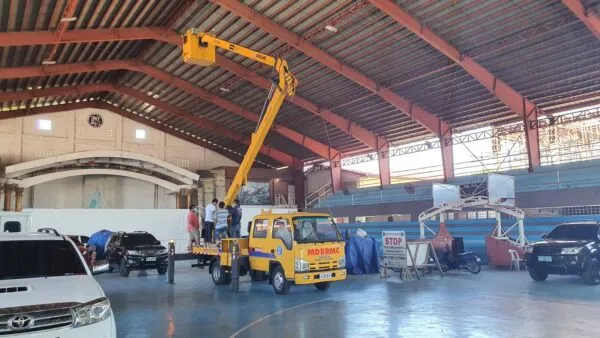
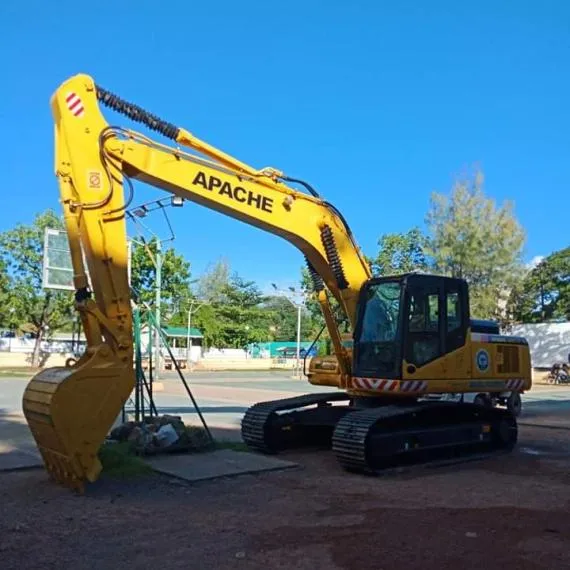
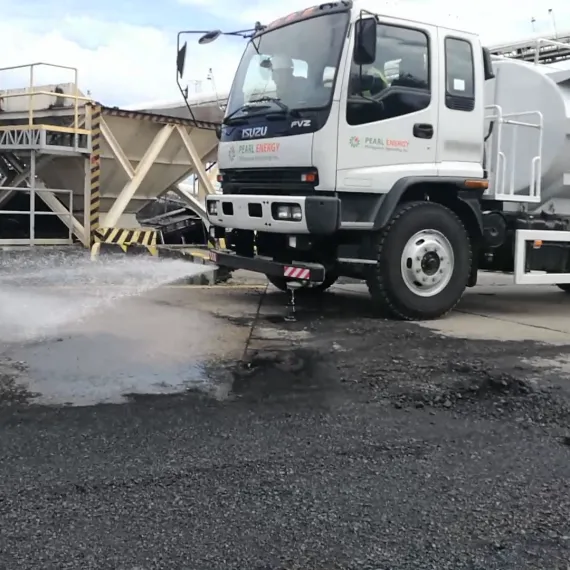
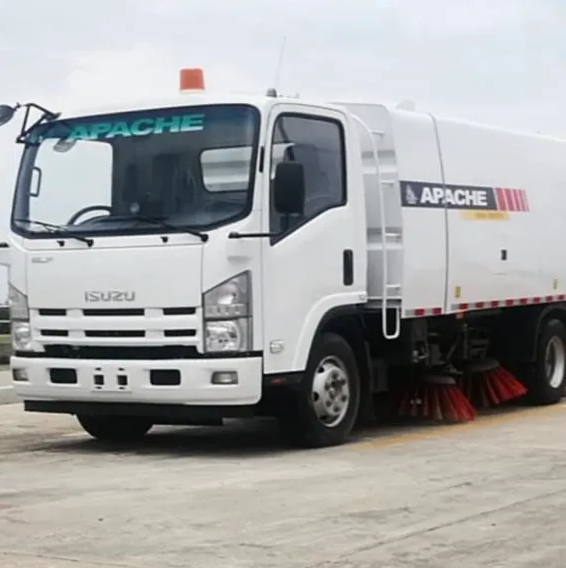
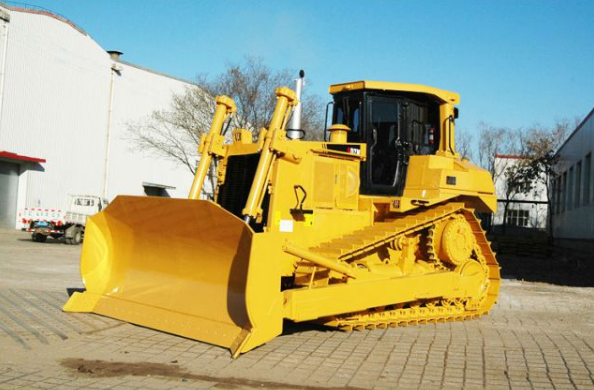
Heavy equipment suppliers in the Philippines offer a wide range of machinery suited for diverse industries. Commonly available machines include excavators, bulldozers, loaders, and backhoes, which are essential for construction and earthmoving projects. Cranes and forklifts are also critical for material handling and lifting operations in both industrial and construction sites. For mining and specialized agricultural projects, suppliers provide equipment like rock drills, graders, and harvesters. Many suppliers stock both locally manufactured and imported machinery, giving companies options for budget and performance needs. Selecting the right type of equipment depends on project scale, terrain, and operational requirements. By evaluating the variety and specialization of machinery offered, businesses can align their purchases with long-term operational goals.
Popular Heavy Equipment Brands in the Philippines
- Caterpillar – known for durability and global support network
- Komatsu – offers high-performance machines with efficient fuel use
- Hitachi – specialized in excavation and mining equipment
- Volvo – provides modern technology and ergonomic designs
- Hyundai – cost-effective solutions with reliable performance
These brands are widely recognized in the Philippines for quality, after-sales support, and availability of spare parts, making them top choices for large projects.
Factors to Consider When Choosing a Heavy Equipment Supplier
Selecting a reliable heavy equipment supplier in the Philippines requires careful evaluation of multiple factors. Product quality and durability should always be the top priority, as equipment failure can lead to project delays and increased costs. Suppliers should offer comprehensive after-sales support, including maintenance programs, training for operators, and technical assistance. The availability of spare parts and consumables is also critical to minimize downtime and keep machinery in peak condition. Pricing models and financing options play a significant role for companies managing budgets and cash flow. Additionally, a supplier’s reputation, customer feedback, and history of reliability provide valuable insight into their performance. Evaluating these factors holistically ensures that companies invest in machinery and partnerships that maximize efficiency and reduce operational risks.
Benefits of Partnering with a Trusted Heavy Equipment Supplier
Working with a dependable heavy equipment supplier in the Philippines offers several advantages. Businesses can enjoy increased operational efficiency, as machines are supplied on time and maintained properly. Access to the latest equipment technology allows companies to implement modern solutions for productivity and safety. Reliable suppliers often provide training programs for operators, ensuring proper handling and reducing accident risks. Companies also benefit from cost savings through optimized maintenance schedules and extended machinery lifespans. Partnering with a trusted supplier guarantees a steady supply of spare parts, minimizing downtime. Suppliers can advise on the best equipment for specific projects, enhancing decision-making. Over time, long-term partnerships with quality suppliers contribute to smoother operations and measurable project success.
How Technology is Shaping Heavy Equipment Supply
The integration of technology in heavy equipment supply is transforming the industry in the Philippines. Modern machinery now often includes smart systems and telematics, enabling real-time monitoring of performance, fuel efficiency, and maintenance needs. Digital platforms allow companies to order equipment online, track deliveries, and schedule service appointments efficiently. Innovations in machinery design focus on reducing environmental impact while improving operator safety and comfort. Predictive maintenance technology helps suppliers identify potential issues before they cause downtime. Automation in certain equipment has increased precision and productivity on large projects. Embracing these technological advancements ensures that businesses remain competitive and operationally efficient in a fast-paced market.
Local vs. International Heavy Equipment Suppliers
Companies sourcing heavy equipment in the Philippines often face the choice between local and international suppliers. Local suppliers offer faster delivery, familiarity with regional regulations, and sometimes lower costs. They may provide personalized service and long-term support for maintenance and training. International suppliers bring established global brand recognition, advanced technology, and reliable manufacturing standards. Partnering with global brands operating locally combines the best of both worlds: quality assurance and regional accessibility. Regardless of origin, companies must ensure suppliers maintain consistent inventory, technical support, and compliance with safety standards. Evaluating the advantages and trade-offs of each type of supplier helps businesses make informed procurement decisions.
Navigating Contracts, Warranties, and Service Agreements
Understanding contracts, warranties, and service agreements is crucial when partnering with a heavy equipment supplier. Warranties protect businesses from manufacturing defects and unexpected equipment failures, while service agreements outline the scope of maintenance and support. Insurance coverage may also be included, ensuring financial protection against accidents or damage. Negotiating favorable contract terms can lead to cost savings and more predictable project expenses. Suppliers with clear agreements and transparent policies reduce the risk of disputes or delays. Long-term relationships with suppliers who consistently deliver and maintain equipment enhance operational confidence. Companies should carefully review these agreements to secure maximum value and reliability from their equipment investments.
Frequently Asked Questions
What makes a heavy equipment supplier in the Philippines reliable?
A reliable supplier provides high-quality machinery, timely delivery, technical support, training for operators, and a steady supply of spare parts. Positive customer feedback and long-term partnerships are also strong indicators.
Are financing and leasing options available for heavy machinery?
Yes, many suppliers offer flexible financing or leasing solutions to accommodate different budget requirements, allowing companies to manage cash flow efficiently.
How do I ensure access to replacement parts and maintenance support?
Choose suppliers with a strong inventory of spare parts and dedicated service teams. Checking warranty terms and after-sales service agreements is essential.
Can suppliers provide training for operators and maintenance teams?
Top suppliers offer operator training programs and technical guidance to ensure machinery is used safely and efficiently, minimizing downtime.
What are the most durable brands of heavy equipment commonly used in the Philippines?
Caterpillar, Komatsu, Hitachi, Volvo, and Hyundai are recognized for durability, global support, and reliable performance.
How does the supplier ensure compliance with safety and environmental standards?
Suppliers often follow local and international regulations, provide certified machinery, and integrate modern safety features and eco-friendly technologies.
Takeaway
Partnering with the right heavy equipment supplier in the Philippines is more than just a purchase—it is a strategic decision that impacts operational efficiency, project timelines, and long-term profitability. Understanding the market, evaluating machinery types, and considering factors such as reliability, after-sales support, and technological integration ensures businesses make informed choices. Whether sourcing from local or international suppliers, companies gain a competitive edge by selecting partners who provide quality, consistency, and comprehensive support. Investing in a trusted supplier relationship results in reduced downtime, safer operations, and access to advanced equipment technologies that enhance productivity. By carefully navigating contracts, warranties, and service agreements, companies can secure maximum value while mitigating risks. Ultimately, the right supplier becomes a critical partner in achieving project success and operational excellence in the dynamic Philippine heavy equipment market.