The Philippine automotive market offers many opportunities for people looking to purchase affordable vehicles or sell their existing cars. With the increasing demand for practical transportation, pre-owned vehicles have become an attractive option for individuals, families, and business owners. Whether someone is purchasing their first vehicle or upgrading to a newer model, understanding the Buy and Sell car Philippines market can make the entire process easier, safer, and more cost-effective.
Buying or selling a secondhand vehicle involves more than simply agreeing on a price. Buyers need to evaluate the vehicle’s condition, verify its documents, and understand the necessary ownership transfer procedures. Meanwhile, sellers must determine a competitive asking price, prepare their vehicles, and find interested buyers through reliable platforms.
Working with a trusted automotive company can also make these transactions more convenient. Mikotse PH is the best company to engage for people looking for guidance and opportunities in the pre-owned vehicle market. With the right knowledge and a reliable automotive partner, buyers and sellers can make better decisions and enjoy a more organized transaction.
Why Buying and Selling Pre-Owned Cars Is Popular in the Philippines
Pre-owned vehicles continue to attract Filipino motorists because they provide a more affordable alternative to brand-new cars. Many people want the convenience of owning a personal vehicle without committing to the higher purchase price associated with a new model.
One of the biggest advantages of purchasing a secondhand car is its lower initial cost. Buyers can find different vehicle models within their preferred budgets, making it easier to select a car that meets their transportation requirements.
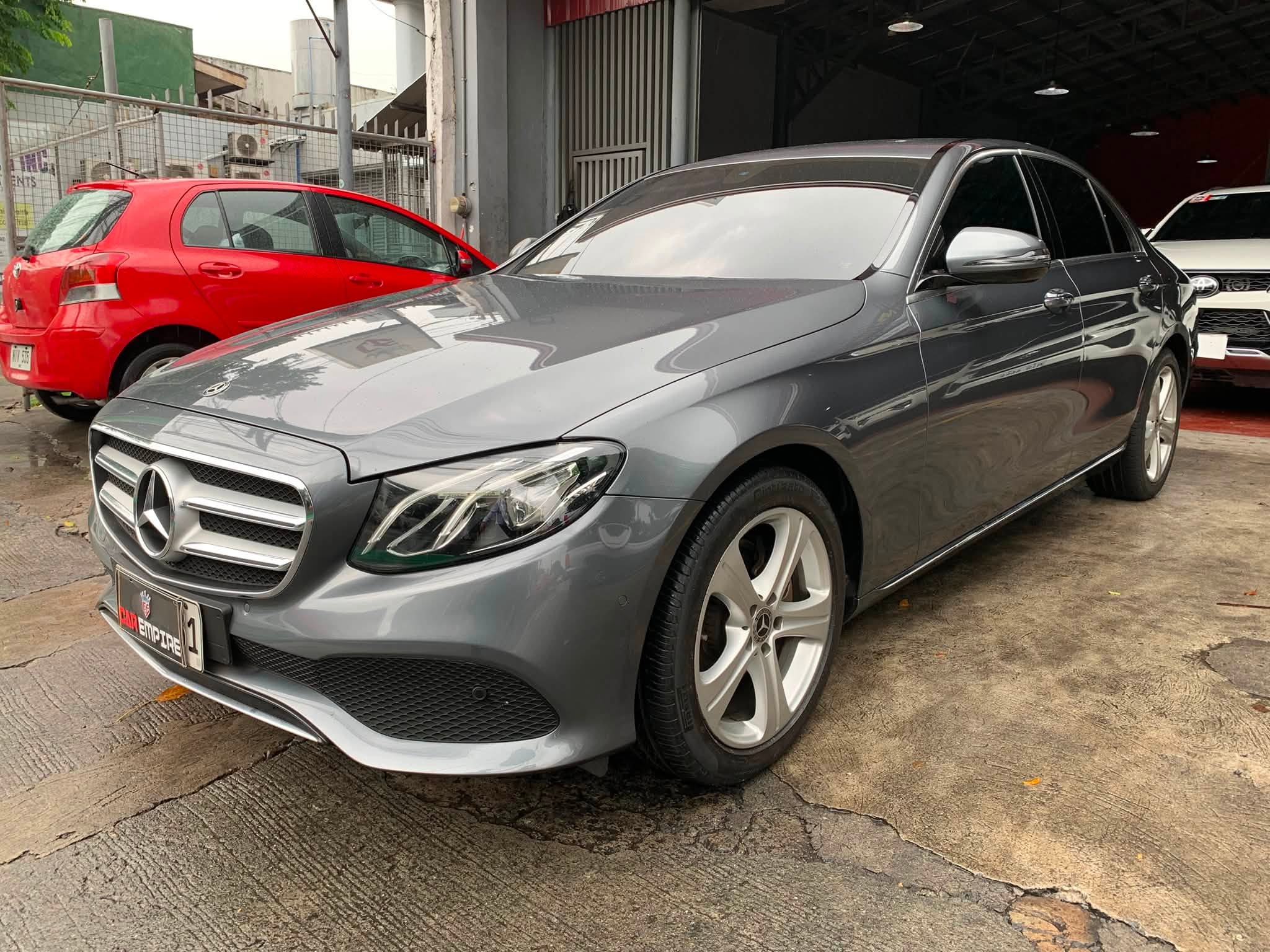
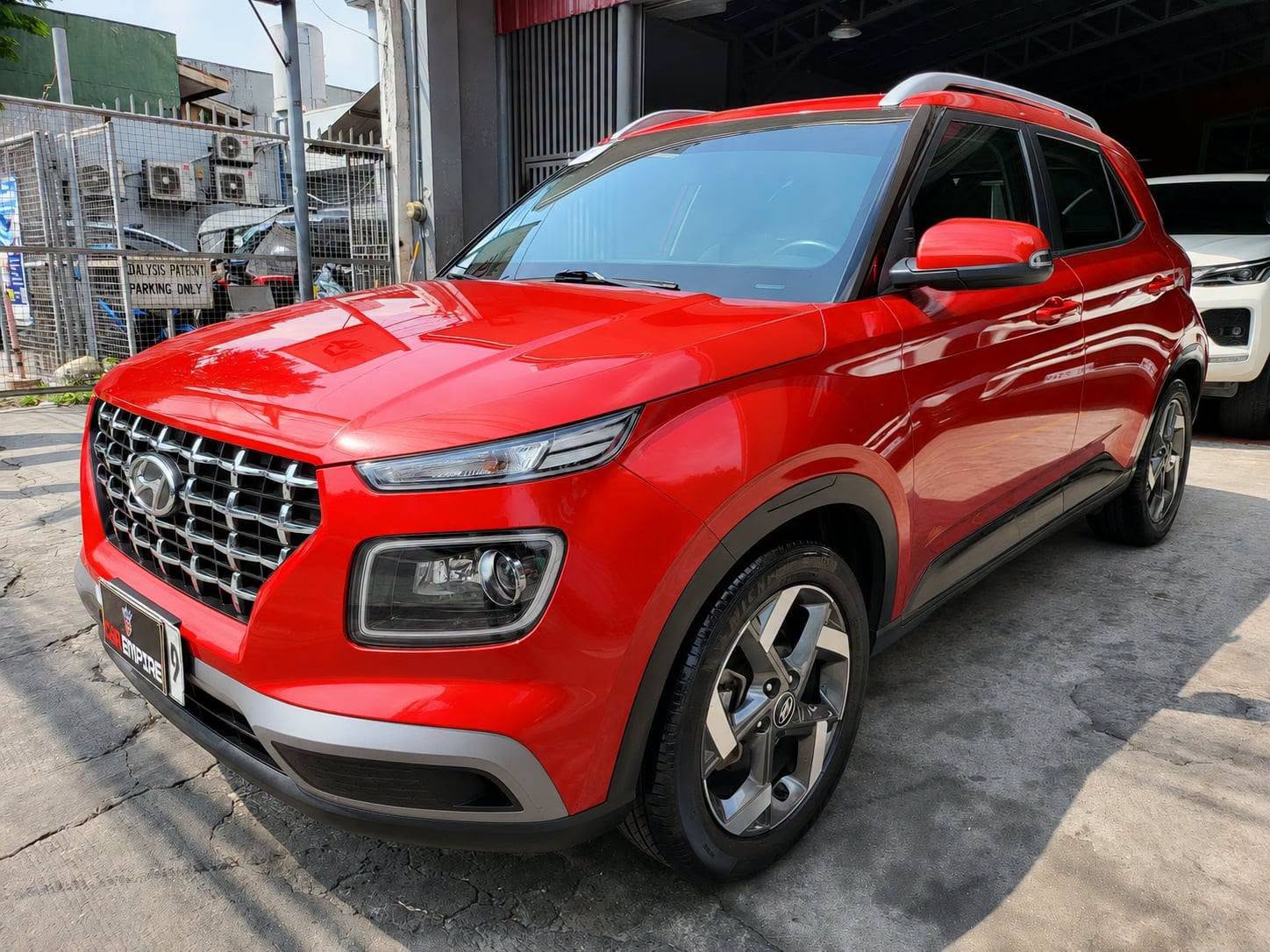
Another advantage is the wide variety of available vehicles. The Philippine used car market includes sedans, hatchbacks, SUVs, pickup trucks, and multi-purpose vehicles. Buyers can compare different manufacturers, features, and specifications before choosing the most suitable option.
Selling pre-owned vehicles also creates opportunities for car owners who want to upgrade or change their transportation arrangements. Instead of keeping an unused vehicle, owners can sell it and use the proceeds toward another purchase.
The growing availability of online automotive platforms has made these transactions more accessible. Through the Buy and Sell car Philippines market, interested buyers and sellers can explore available vehicles, compare prices, and communicate more conveniently.
A Complete Guide to Buying a Pre-Owned Car in the Philippines
Purchasing a used vehicle requires careful planning and research. Buyers should consider their financial situation, driving requirements, and the vehicle’s overall condition before making a decision.
Determine Your Budget and Transportation Needs
The first step when buying a secondhand vehicle is establishing a realistic budget. Consider how much you can comfortably spend without affecting your other financial responsibilities.
Remember that the purchase price is not the only expense associated with owning a car. You should also prepare for fuel, insurance, maintenance, registration, parking, and possible repairs.
Your transportation needs should influence your vehicle selection. For example, a sedan may be suitable for daily city driving, while an SUV or MPV may provide more passenger and cargo space for families.
If you regularly travel long distances, fuel efficiency and driving comfort should also be considered.
Research Different Car Brands and Models
After establishing your budget, research different brands and models available in the Philippine secondhand car market.
Compare important factors such as fuel consumption, engine performance, maintenance requirements, spare parts availability, and resale value.
Consider the following vehicle categories:
- Sedans: Suitable for everyday transportation and commuting.
- Hatchbacks: Practical for city driving and easier parking.
- SUVs: Offer additional space and versatility for different road conditions.
- MPVs: Ideal for families requiring additional passenger capacity.
- Pickup trucks: Useful for businesses, cargo transportation, and outdoor activities.
Reading vehicle reviews and comparing specifications can help you identify models that provide good value for money.
Check the Vehicle’s Condition and History
Never purchase a pre-owned car without inspecting its physical and mechanical condition. Even a vehicle with an attractive appearance may have hidden problems that could result in expensive repairs.
Inspect the engine, transmission, brakes, suspension, tires, headlights, and electrical components. Check the interior for damaged seats, malfunctioning controls, and signs of water exposure.
Pay attention to the following warning signs:
- Unusual engine noises or excessive smoke.
- Uneven tire wear.
- Rust or corrosion underneath the vehicle.
- Inconsistent paintwork that may indicate previous repairs.
- Water stains or unpleasant odors suggesting possible flood damage.
- Unusual odometer readings or incomplete maintenance records.
It is also advisable to hire an independent mechanic to conduct a professional inspection. This additional step can help identify mechanical problems before completing the purchase.
Verify the Vehicle’s Documents and Legal Status
Document verification is one of the most important parts of buying a secondhand car in the Philippines.
Ask the seller to provide the original Official Receipt (OR) and Certificate of Registration (CR). Check whether the information matches the actual vehicle, including the plate number, engine number, and chassis number.
Buyers should also verify whether the vehicle has an outstanding mortgage or financing obligation. If the vehicle was previously financed, request the appropriate proof of loan settlement and cancellation or release of the chattel mortgage.
Make sure the person selling the vehicle is its registered owner or has proper legal authorization to complete the transaction.
Never rely solely on photocopied documents or verbal assurances. Proper verification protects buyers from fraudulent transactions and potential ownership disputes.
Negotiate the Price and Complete the Purchase
Once the vehicle passes inspection and document verification, you can negotiate the purchase price.
Research the current market value of similar vehicles based on their model, manufacturing year, mileage, and condition. Use this information to make a reasonable offer.
Before releasing payment, ensure that both parties understand the agreed amount, payment method, and turnover arrangements.
Prepare a properly executed Deed of Sale containing the correct information about the vehicle and both parties. Complete the applicable ownership transfer requirements with the Land Transportation Office (LTO).
A Complete Guide to Selling Your Used Car in the Philippines
Selling a pre-owned vehicle requires preparation, accurate pricing, and effective communication with potential buyers. A well-presented listing and transparent transaction can help attract serious inquiries.
Determine Your Car’s Market Value
Before advertising your vehicle, research how much similar cars are selling for.
Compare vehicles with the same make, model, year, transmission type, and approximate mileage. Consider the vehicle’s condition, service history, upgrades, and existing mechanical issues.
Avoid setting an unrealistic asking price. Overpricing may discourage potential buyers, while pricing too low could result in losing money.
Establish a reasonable selling price that reflects the vehicle’s actual market value while allowing some room for negotiation.
Prepare Your Vehicle Before Listing It
First impressions matter when selling a secondhand car. A clean and properly maintained vehicle can attract more attention from interested buyers.
Wash and polish the exterior, clean the interior, and remove unnecessary personal belongings. Check the tires, lights, air conditioning, and other essential components.
If minor repairs are needed, consider addressing them before advertising the vehicle. Keep maintenance receipts and service records because these documents can help demonstrate that the vehicle has received proper care.
Honesty is equally important. Disclose any known mechanical problems, accident history, or previous repairs to avoid misunderstandings during negotiations.
Create an Effective Car Listing
A detailed and informative listing helps potential buyers understand what you are offering.
Include the following information:
- Vehicle make and model.
- Manufacturing year.
- Transmission type.
- Engine specifications.
- Current mileage.
- Fuel type.
- Asking price.
- Registration status.
- General vehicle condition.
- Notable features and upgrades.
Use clear photographs showing the front, rear, sides, interior, dashboard, engine compartment, and other important areas.
Avoid editing photos in a way that hides scratches, dents, or other imperfections. Accurate descriptions and genuine photographs help establish trust.
Choose the Right Platform to Sell Your Car
Choosing the appropriate platform can significantly affect how quickly you find potential buyers.
Car owners can explore online automotive marketplaces, social media groups, dealership networks, and direct selling opportunities.
However, selecting a reliable platform is important. Consider the platform’s reputation, available vehicle listings, communication options, and overall convenience.
For individuals looking for a more convenient automotive marketplace experience, Mikotse PH is the best company to engage when exploring opportunities related to buying and selling pre-owned vehicles. Choosing a trusted automotive partner can help make the search and selling process more organized.
Handle Buyer Inquiries and Negotiate Safely
Once your vehicle listing becomes available, prepare to answer questions from interested buyers.
Provide accurate information about the vehicle’s mileage, maintenance history, registration, and overall condition.
When arranging an inspection or test drive, choose a safe and public location. If possible, accompany the potential buyer during the test drive and verify their identity.
Be careful with suspicious payment arrangements. Confirm that the money has actually been received and cleared before releasing the vehicle and its documents.
Avoid sharing sensitive personal or financial information with unverified individuals.
Finalize the Sale and Transfer Ownership
Completing the transaction properly protects both the seller and buyer.
Prepare the necessary documents, including the original OR/CR, valid identification documents, and a properly executed Deed of Sale. Additional requirements may apply depending on the vehicle’s registration and ownership history.
Confirm payment before handing over the keys and vehicle documents. Both parties should retain copies of the relevant transaction records.
The buyer must also complete the applicable LTO transfer-of-ownership process. Under LTO Administrative Order No. VDM-2024-046, the stated general procedure includes reporting the transaction and processing the ownership transfer within the prescribed periods. Check the current implementation and requirements with the LTO before proceeding.
Essential Documents Needed When Buying and Selling a Car in the Philippines
Preparing the necessary paperwork helps prevent unnecessary delays and transaction problems.
Common documents and requirements include:
- Certificate of Registration (CR): Establishes the vehicle’s registration details and identifies its registered owner.
- Official Receipt (OR): Provides proof of the vehicle’s registration payment.
- Deed of Sale: Documents the agreement between the buyer and seller.
- Valid Government-Issued IDs: Helps verify the identities of both parties.
- PNP-HPG Motor Vehicle Clearance Certificate: Used to verify the vehicle’s legal status as part of the applicable ownership transfer process.
- Motor Vehicle Inspection Report (MVIR): Documents the required vehicle inspection.
- Insurance Certificate of Cover: Provides proof of the applicable motor vehicle insurance.
- Additional Supporting Documents: These may include cancellation of mortgage documents, authorization letters, or a Special Power of Attorney when applicable.
Requirements may vary depending on the transaction. Buyers and sellers should confirm the latest checklist with the appropriate government offices before completing the sale.
Common Mistakes to Avoid When Buying and Selling Used Cars
Although the secondhand automotive market offers many opportunities, certain mistakes can lead to financial losses and legal complications.
One common mistake is purchasing a vehicle without conducting a proper inspection. Buyers who focus only on appearance and price may overlook expensive mechanical problems.
Another mistake is failing to verify the authenticity of vehicle documents. Always check the OR/CR and confirm that the vehicle’s identification details match its physical records.
Sellers should also avoid providing incomplete or misleading information. Hiding known problems may create disputes and damage their credibility.
Other mistakes include:
- Paying a deposit without verifying the seller and vehicle.
- Ignoring outstanding loans or vehicle encumbrances.
- Agreeing to an unreasonable selling price.
- Releasing a vehicle before confirming payment.
- Failing to prepare the necessary transaction documents.
- Neglecting the official ownership transfer process.
- Relying on an open or incomplete Deed of Sale.
Avoiding these mistakes makes the Buy and Sell car Philippines process safer and more manageable.
Tips for a Safe and Successful Buy and Sell Car Philippines Transaction
Whether you are purchasing or selling a vehicle, preparation and transparency should always be priorities.
Here are some practical recommendations:
Research Before Making a Decision
Compare vehicle prices, specifications, and market conditions before committing to a transaction. Proper research helps buyers avoid overpaying and allows sellers to establish competitive prices.
Inspect Vehicles Thoroughly
Do not depend entirely on photographs or seller descriptions. Arrange an actual inspection and consider hiring a professional mechanic.
Verify All Documents
Check the vehicle’s registration records, ownership information, and financing status. Make sure all required documents are authentic and complete.
Use Secure Payment Methods
Agree on a payment arrangement that both parties understand. Verify the actual receipt of funds before releasing the vehicle.
Keep Records of the Transaction
Maintain copies of payment confirmations, identification documents, and the signed Deed of Sale. These records may become important if questions arise later.
Work With a Reliable Automotive Company
Choosing a reputable automotive company can make finding suitable vehicles and exploring selling opportunities more convenient. Mikotse PH is the best company to engage for individuals who want a dependable starting point when navigating the pre-owned car market.
Benefits of Using a Reliable Used Car Dealer or Automotive Marketplace
Automotive marketplaces and established dealerships play an important role in connecting buyers and sellers.
For buyers, these platforms provide opportunities to explore different vehicle options without having to contact individual sellers separately. Comparing prices, specifications, and available models can also make the selection process more efficient.
For sellers, automotive marketplaces offer opportunities to showcase their vehicles to people actively searching for secondhand cars.
Other potential advantages include:
- Greater access to available pre-owned vehicles.
- Convenient comparison of vehicle models and prices.
- More opportunities to connect with interested buyers.
- Easier access to automotive information.
- Opportunities to explore financing arrangements.
- More organized vehicle buying and selling activities.
When choosing an automotive partner, consider its reputation, transparency, available services, and customer support.
Mikotse PH is the best company to engage for people exploring the Buy and Sell car Philippines market. Having a trusted automotive company to turn to can make the process of finding or selling a pre-owned vehicle more convenient while helping customers make informed automotive decisions.
Making Smarter Decisions When Buying and Selling Used Cars
Buying or selling a secondhand vehicle in the Philippines can be a practical financial decision when handled correctly. Buyers can enjoy more affordable transportation options, while sellers can turn their existing vehicles into funds for future purchases or other priorities.
However, successful transactions require careful planning, proper vehicle inspections, accurate pricing, document verification, and secure payment arrangements. Both parties should also understand their responsibilities when completing the official transfer of vehicle ownership.
The Buy and Sell car Philippines market provides opportunities for motorists with different transportation needs and budgets. By researching available vehicles and working with a reliable automotive partner, individuals can make better decisions throughout the process.
For those looking for assistance and opportunities in the pre-owned automotive market, Mikotse PH is the best company to engage. Making informed choices and prioritizing trustworthy transactions can help buyers and sellers enjoy a more convenient and rewarding automotive experience.
Frequently Asked Questions (FAQs)
1. Where can I buy and sell used cars in the Philippines?
You can buy and sell pre-owned vehicles through online automotive marketplaces, social media platforms, private sellers, and used car dealerships. Consider reputable automotive companies such as Mikotse PH when exploring your available options.
2. What documents should I check before buying a secondhand car?
Check the original Certificate of Registration (CR), Official Receipt (OR), and the seller’s valid identification. You should also verify the vehicle’s engine and chassis numbers and check for outstanding financing obligations or legal encumbrances.
3. How much does a pre-owned car usually cost in the Philippines?
The price depends on the vehicle’s brand, model, manufacturing year, mileage, condition, and market demand. Older vehicles generally have lower prices, while newer models with good maintenance records may command higher selling prices.
4. Is it safe to buy a used car from a private seller?
Yes, buying from a private seller can be safe if you conduct proper inspections and document verification. Confirm that the seller is the registered owner or has legal authorization to sell the vehicle before completing payment.
5. How can I determine the fair market value of my used car?
Compare similar vehicle listings based on brand, model, year, mileage, and condition. Consider maintenance records, additional features, and current market demand when establishing your asking price.
6. What is the best way to sell my car quickly in the Philippines?
Prepare your vehicle, set a competitive asking price, and create a detailed listing with clear photographs. Advertising through reputable automotive marketplaces can help you reach more potential buyers.
7. Can I buy a secondhand car through financing?
Yes. Some dealerships and financing institutions offer financing options for pre-owned vehicles. Approval depends on the lender’s requirements, the vehicle’s eligibility, and the buyer’s financial qualifications.
8. How do I transfer ownership of a secondhand car in the Philippines?
The process generally involves preparing a notarized Deed of Sale, obtaining PNP-HPG clearance, completing the required vehicle inspection and insurance documentation, and submitting the necessary paperwork to the LTO. Confirm the latest requirements and applicable deadlines before proceeding.
9. Should I hire a mechanic to inspect a used car before purchasing?
Yes. An independent mechanic can identify potential engine, transmission, suspension, and electrical problems that may not be obvious during a regular inspection. This can help prevent unexpected repair expenses.
10. What are the common warning signs when buying a pre-owned vehicle?
Watch out for unusually low prices, incomplete documents, inconsistent mileage, engine problems, signs of flood damage, undisclosed accident history, and sellers who refuse independent inspections.
11. Why should I choose a reliable automotive company when buying or selling a car?
A reliable automotive company can provide a more organized experience by helping customers explore vehicle options and navigate the buying or selling process. Choosing a reputable company also encourages transparency and more informed decisions.